abi sri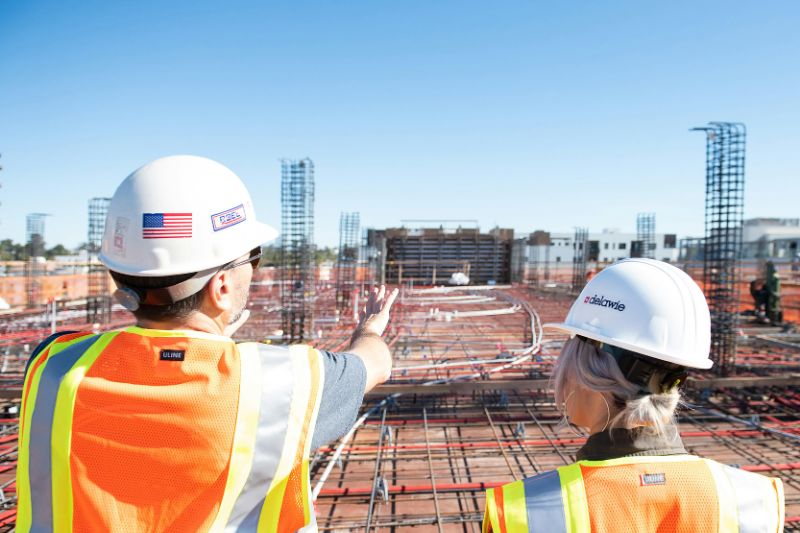
(C): Unsplash
Heat stress is a growing occupational health burden to 1.6 billion outdoor workers in the world, and temperatures are expected to cost 259 billion labor hours a year in India alone and heat-related mortality is expected to rise by half by 2030. The laws of labour are behind, and no particular heat limits or safeguards are introduced in most countries, which exposes construction, agriculture, and migrant workers to heatstroke and exhaustion. The 2025 guidance provided by WHO/WMO recommends breaks and acclimatisation as mandatory, whereas the OSHA proposed rule of 80°F initiation of interventions in the US. This paper evaluates gaps and responses all over the world. Learn more about employee rights and fair work policies on our Labour Rights page.
Global Heat Stress Impacts
Hot weather lowers output by 2-3 per cent every degree above 25 °C, with low-paid industries bearing the brunt of poor working conditions, with Indian migrant workers being 30-40 per cent more vulnerable. Such symptoms as dehydration and organ failure kill thousands of people annually, and women and elderly are more likely to be affected by these reasons because of their biological particularities.
Current Labour Law Gaps
India Building and Other Construction Workers Act does not provide any standards regarding heat, instead depending on abstract notions of safe environment even though the IMD has stated that heatwaves occur at 40C, which is well above the 30C outdoor limit recommended by ILO. Factories Act disregards outside environments; it is poorly enforced in the face of the ease of business agendas. Ninety percent of nations across the world do not have heat-specific regulations.
Read also: Japan Enforces Landmark Worker Heat Safety Law – Here’s What Employers Should Know About the Fine
Emerging Regulations and Innovations
- US OSHA Proposal (2025): Triggers 80°F (water/shade), 90°F (15-min pauses/2hrs, WBGT monitoring, HIIPP plans).
- Qatar: Prohibits outdoor labour 10 am-3.30 pm during the summer season, requires covered rest.
- EU/ILO Guidelines Acclimatisation (first week ramps), cooling vests, and emergency.
Employer Responsibilities
Essential actions are mandatory training, hydration (1 quart/hour), buddy systems, and changes in PPEs. Incidents are prevented by flexible scheduling and AI heat alerts.
Path Forward
Wet Bulb Globe Temperature (WBGT) (less than 29-32 °C) should be incorporated in labour laws, with penalties that should be enforced and updates on climate adaptability. ILO C155 and the UN human rights resolution are resolutions which will secure vulnerable workers.