abi sri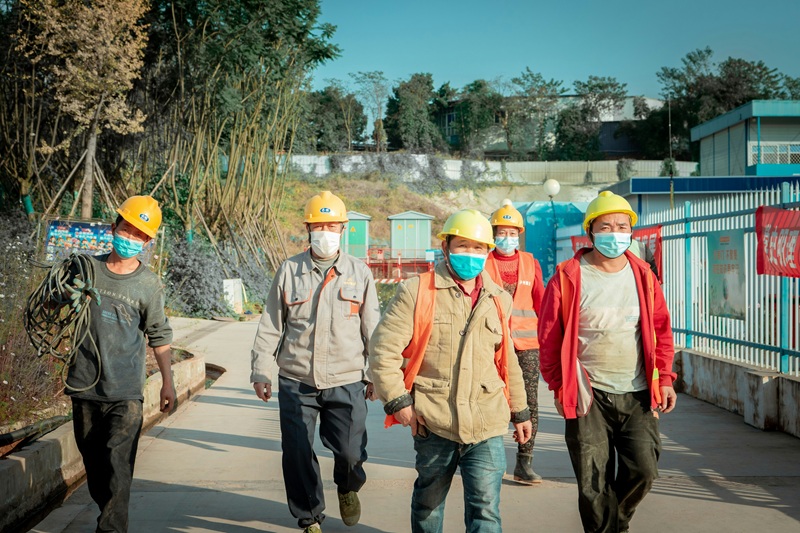
(C): Unsplash
The promise of overseas work still pulls thousands every month. Airports fill with tired faces clutching documents and a single hope, a steady income. Yet, many learn too late that the shine of a foreign job can hide cracks. Unsafe housing, unpaid hours, and lost passports. It happens more often than people admit.
Foreign job markets are wide open again. Healthcare, logistics, construction, all hiring globally. A report on 10 odd jobs that pay well shows demand in sectors once ignored. And top companies offering best healthcare benefits in US also reveal how countries compete for skilled migrants. Still, protection systems haven’t caught up.
Average Pay and Safety Records of Migrant Workers (2025)
| Region | Common Jobs | Average Pay (USD/Month) | Contract Length | Complaints (2025) |
| Gulf Nations | Construction, Domestic work | 600–900 | 1–2 years | 35% |
| Europe | Hospitality, Farming | 900–1,500 | 6–12 months | 22% |
| East Asia | Manufacturing, Caregiving | 700–1,100 | 1 year | 18% |
| North America | Logistics, Nursing | 1,800–2,400 | 1–2 years | 10% |
| Africa | Mining, Trade | 400–800 | 1 year | 40% |
The numbers look fine on paper. But behind them are long shifts, language troubles, and loneliness. The smell of factory oil or the desert’s dry air stays with many long after contracts end.
Safety tips for migrants before accepting a foreign job offer
Most problems start before the plane takes off. People trust promises without checking. It’s a hard lesson, learned too late.
- Always verify the recruiter’s license. If an agent hesitates to show registration, walk away. Real ones don’t hide.
- Match visa details with the contract. Different titles mean different rights. “Helper” and “technician” may sound similar, but not in salary.
- Keep soft copies of documents. Phones get lost, luggage too. Digital copies save trouble during embassy visits.
- Read about salary deductions. Meals, rooms, uniforms, all sound small until they cut half your pay.
- Confirm the real company name. A quick search helps. Some fake firms use almost identical names.
- Memorise emergency numbers. When panic hits, no one scrolls contacts calmly. Better to know them.
- Talk to worker groups online. They share honest reviews. Many scams get exposed this way.
- Ask for written insurance details. Oral promises don’t pay hospital bills. Paper does.
- Never hand over your passport. It’s not “for safekeeping.” It’s control. Keep it safe yourself.
- Share travel details with family. One small text before take-off makes everyone breathe easier.
Sometimes, simple habits save months of stress. That’s how we see it anyway.
Rising awareness but slow protection
Governments now talk more about migrant safety. There are hotlines, training videos, and embassy help desks. Yet, many workers can’t access them. Phones are taken away, internet limited, or they fear losing jobs if they complain.
Language gaps also make things worse. Try filling a form when you don’t understand half the words. Even seasoned travellers struggle with that. Feels unfair, doesn’t it?
Heat is another story. In the Gulf, construction workers still face 45°C afternoons. Officially there are rest hours, but on sites, work rarely stops. The sound of drills, the dust, the sweat dripping through masks, those don’t match the glossy job ads.
Economic pressure and silence
For families back home, even a modest foreign salary feels like winning. One worker’s paycheck feeds five mouths. That makes silence easier than protest. Workers avoid complaints just to finish contracts.
Governments and companies should do more than issue guidelines. Actual monitoring, surprise audits, quick embassy response, these make a difference. Talk is easy. Real help takes effort.
Awareness before ambition
Jobs abroad will never stop calling. But dreams need backup plans. Every migrant should know their rights, keep records, and stay in touch with home. It’s not weakness. It’s self-protection.
Awareness isn’t just advice, it’s armour. And sometimes, it’s all a worker has.
FAQs
1. What documents should be ready before travel?
Passport, signed contract, medical reports, and recruiter’s contact details. Always keep copies.
2. Why not give passports to employers?
Because many misuse them to control movement or delay exit permits.
3. Can families track their relatives abroad?
Yes, through embassy registration and official labour portals offering tracking services.
4. Do recruiters handle medical insurance?
Licensed ones must. Unlicensed agents often skip it, leaving workers unprotected.
5. What if a worker faces abuse overseas?
Contact the local embassy helpline or international labour office. Every call counts.