khushboo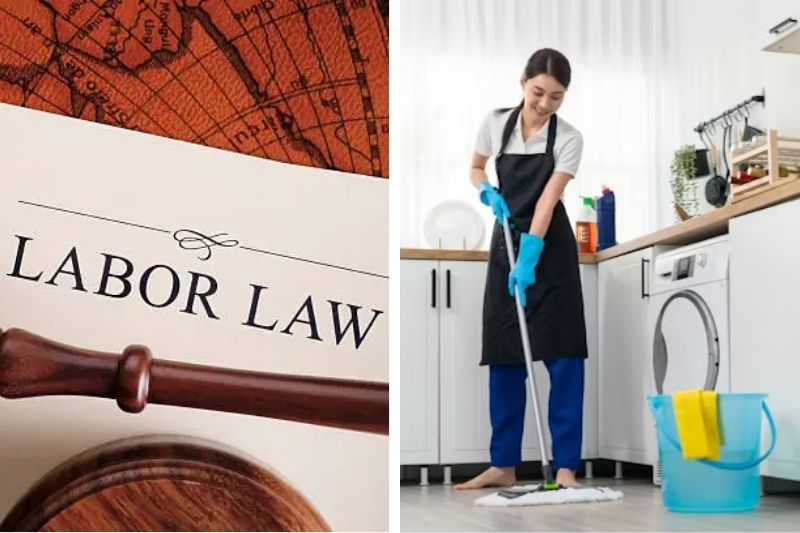
A silent yet important transformation is about to occur in the American domestic worker market in the year 2026. The issue of domestic workers, such as nannies, housekeepers, caregivers, etc., has become the center of the legal and policy discussions. Historically left outside of much of the protection, this work force now is fueling the debate on fair play, rights and the future of work in the United States.
Formerly, what used to be taken as informal or unseen labor is now emerging to be one of the most observable fields in the current labor law.
A Workforce Long Left Out of Legal Protection
The working environment of domestic workers has always been in the gray zone of the law. Most of them do not have access to protection under some of the laws such as the fair labor standards act, a law that regulates minimum wage and overtime.
This exclusion is decades old and has been criticized several times to be leaving millions of workers with basic rights. Consequently, cases of unpaid overtime, non-existence of contracts, and job insecurity have been prevalent in the industry.
Why 2026 Marks a Turning Point?
However, in recent years, there has been an increase of pressure to work against this. Other States and cities are also proposing legislation to offer protection to domestic workers in 2026. These comprise assured rest days, written contracts and more straightforwardness as regards wage norms.
Advocacy organizations such as the National Domestic Workers Alliance have been instrumental in driving such kinds of reforms and this has caused the rest of the world to take notice of the plight of the household worker.
This change is indicative of a larger understanding that domestic labor is vital to the economy- and as such it needs to be treated.
The Effect of the Gig Economy and Shifting Work Model
This change has also been brought about by the emergence of app-based services and the ability to work at convenient times. Domestic workers are now a bigger discussion of the concept of gig work and the category of workers.
Issues of workers being employees or independent contractors are now in the limelight of the legal debate. These debates might transform not only home work, but also labor law in general.
Reason Employers are also listening
To those families that hire domestic help, these developments are associated with new challenges. Legal provisions regarding working hours, contracts and wages are becoming distinct.
It implies that families that employ nannies, or caregivers, have to be more aware of compliance since the distinction between informal and formal helps keeps getting blurred.
Implication of this to Labor Law in the Future
This emphasis on domestic workers indicates a more significant shift towards a change in the way of labor perception and control. It also disputes the definition of the workplace in the traditional way and emphasizes the necessity of laws which can reflect contemporary reality.
Due to the widespread protection, domestic workers can become a precedent in other fields that have never been covered historically, and it can be considered a priority area to monitor in the next few years.
Final Thoughts
VisitBritain domestic workers have ceased to be left at the fringes of labor law– they are carving out the future labor law. As a product of the United States, 2026 is a time when long-awaited acknowledgment is now moving into action.
The reforms which impact domestic workers nowadays may become the new definitions of the labor rights of millions tomorrow, as the policies are being reformed.
FAQs
1. Who are national employees?
Nannies, housecleaners, care givers, and other in-home service employees.
2. How come that domestic workers were not covered by labour laws?
As a result of legal loopholes and archaic policies of the past.
3. What is changing in 2026?
Greater security benefits such as fair wages and contracts are being added.
4. Do you think domestic workers qualify as the gig economy?
Others are, particularly those of apps based platforms.
5. What are the implications of this in the future?
It may have an impact on wider changes in labor laws in the industries.