Divyanshu G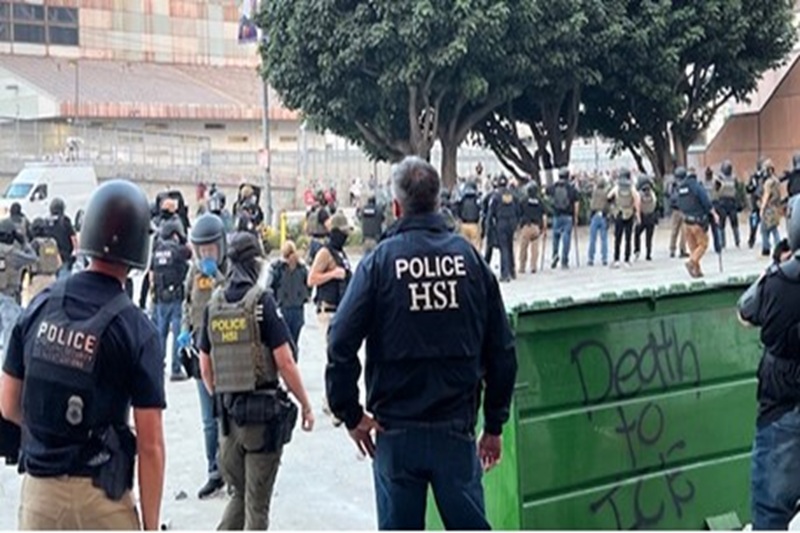
(C): X
Raids on immigration in Los Angeles that began to rise with the push of mass deportations during the presidency of Trump influenced the whole city and triggered a wave of violence and changed urban life. The demonstrations became out of control and demonstrators began to fight off ICE agents, injuring, arresting, and damaging property in such areas as Westlake, Garment District, and downtown. Companies closed, streets deserted under the influence of fear, and pedestrian traffic dropped to zero, disorienting immigrant areas since their inhabitants did not want to go out. Anti-ICE protests and demands of anti-ICE zones by January 2026 brought into focus the enduring community trauma.
Immigration Raid Violence Impact
Attacks on places such as Home Depot and clothing warehouses caused riots, as protesters threw rocks and Molotov cocktails at the police, who fired tear gas. Federal buildings were vandalized and injuries were piling up, including the blinding of a protester by less-lethal round in a related fight in Santa Ana. These occurrences gave rise to suspicion and demonstrations until 2026.
L.A. Streets Post-Violence
Neighborhoods were in panic; customers were disappearing out of MacArthur Park and produce markets, and sellers had to reduce their hours or close down. The streets of Garment District, which used to be very busy, were empty since the workers were avoiding being seen by agents. Constant sweeps in Silver Lake and Eagle Rock maintained the chill, changing the daily rhythms.
Community and Official Response
The panic among Latino parishioners was lamented by Archbishop Gomez, and the sanctuary zones were suggested by the supervisors of the L.A. County. Demonstrations attracted thousands of people, combining calmness with violence.