Divyanshu G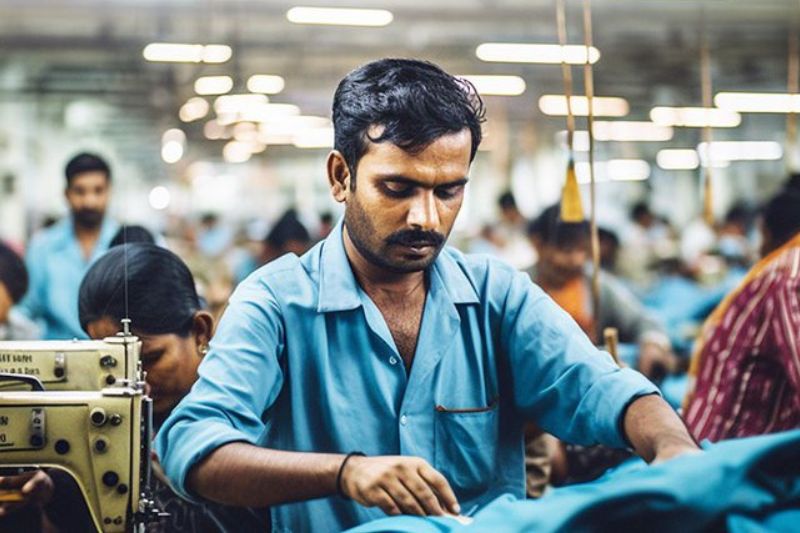
(C): X
The Centre has officially notified the draft rules for the 4 Labour Codes, setting the stage for a major overhaul of India’s employment laws by April 2026. This initiative to unify 29 outdated laws into four over-riding codes tries to make the labour market modernized and easy to do business. These rules, including wages, social security, industrial relations, and occupational safety have been invited by the Ministry of Labour and Employment to the populace. However, the announcement has triggered widespread unrest among trade unions, who warn that the new regulations could erode worker rights and introduce a grueling 12-Hour Workday regime.
Concerns Over the 12-Hour Workday
The most contentious point in the Draft Labour Rules is the provision allowing for a 12-Hour Workday. Although the government maintains that the weekly limit of working will not exceed 48 hours, according to the unions, the daily extension is going to result in exploitation. The critics are concerned that employers will subject workers to the risk of working longer shifts without receiving sufficient overtime pay, which amounts to putting them into tiring shifts. The 4 Labour Codes also propose changes to leave encashment and gratuity, which unions claim will dilute financial security for the workforce.
Read more: “The 32-Hour Week”: Spain Releases Final Pilot Results Showing 15% Productivity Boost
Unions Rally Against New Labour Standards
Major trade unions have termed the Draft Labour Rules as “anti-worker,” citing the increased threshold for layoffs—from 100 to 300 employees—as a tool for easier “hire and fire” policies. The backlash is growing and a national strike is to be organized in February 2026 to call on the removal of these codes. As the 4 Labour Codes inch closer to implementation, the standoff between the government and labour organizations is expected to intensify.
Official Ministry of Labour & Employment Post Updates on X
Disclaimer: Stay informed on human rights and the real stories behind laws and global decisions. Follow updates on labour rights and everyday workplace realities. Learn about the experiences of migrant workers, and explore thoughtful conversations on work-life balance and fair, humane ways of working.