Shamini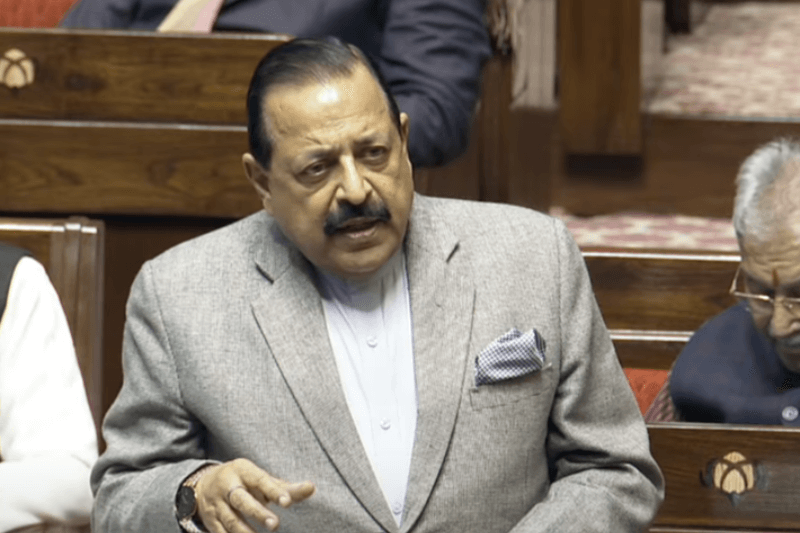
(C): Twitter
In a meaningful clarification for work life balance, the Centre has informed that central government employees can earn a maximum of 30 days of earned leave each year for personal reasons such as taking care of elderly parents. Union Minister of State for Personnel Jitendra Singh stated this in a written reply in the Rajya Sabha on July 24, 2025 to a question from MP Sumitra Balmik.
What Do the CCS (Leave) Rules Say?
According to the Central Civil Services (Leave) Rules, 1972 which prescribe leave entitlements for central government employees excluding railway employees and personnel from the All India Services, earned leave can be taken for any purpose that the employee wants for example, elder care.
Under these rules, central government employees are entitled to:
- 30 days of Earned Leave
- 20 days of Half Pay Leave
- 8 days of Casual Leave
- 2 days of Restricted Holiday
These can be combined and taken in a single year for personal reasons including caregiving tasks for elderly parents.
How Is Leave Credited?
Each employee has a “Leave Account,” which is credited twice a year, January 1 and July 1. Employees earn leave at the rate of 2.5 days per month of service. Most leave types are deducted from the account when the leave is taken.
Nevertheless, there are specific types of leave that are special in nature which are maternity leave, parental leave and child care leave, they do not come from the leave account but rather are given when the leave is granted.
What Are the Other Leave Options?
- In addition to earned leave, CCS Rules provide a variety of leave options such as:
- Maternity Leave (a maximum of 180 days)
- Paternity Leave (15 days)
- Study Leave, Hospital Leave, Disability Leave, etc.
This notification reinforces governments recognition of family care responsibilities, especially for elderly parents, within existing policies.
Read Also: Work Life Balance in Canada: How Flexible Jobs and Labor Laws Help Workers Thrive