abi sri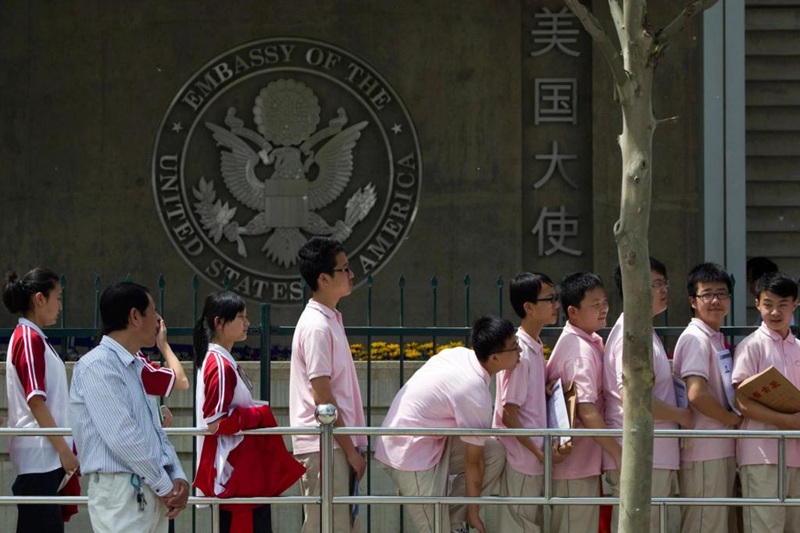
(C): Twitter
After a short pause, the U.S. State Department has resumed processing student visas, but with a new addition to social media screening. All foreign student visa applicants must make their social media profiles public so the government can review them in detail. The policy comes after a brief pause in processing in May to tighten digital screening requirements.
Consular officers will now review online content for any indication of hostility toward U.S. citizens, government, culture, institutions or founding values. Refusal to unlock or have social accounts available publicly may lead to a visa denial based on presumption that you intend to conceal disqualifying content.
Global Students on Alert as Appointments Resume
International students welcomed the update, having closely followed developments while visa services were paused. Students from India, China, Mexico and the Philippines have been refreshing embassy websites and reporting back on embassy briefings in order to book travel and housing before the academic year.
Important updates include:
- Applicants have to set all social media privacy settings to the public.
- Consular officers will scrutinise applicants’ posts, messages and overall online activity.
- The enhanced process is consistent with former President Trump’s executive order about increased vetting.
- Students involved in anti-Israel protests or suspected of antisemitic activity may be denied visas.
Political Backdrop and Policy Implications
Secretary of State Marco Rubio has taken action in the revocation of student visas involving the individuals who have done demonstrations against Israel, based on a law that allows for the removal of individuals that are seemingly hostile to U.S. foreign policy interests. The Department of Homeland Security has even extended social media monitoring to flag antisemitic social media posts as a reason for visa rejection.
This action introduces a new layer to the decade-long process of vetting digital footprints for visa and green card applicants in a new age of surveillance of international students coming to the U.S.