Divyanshu G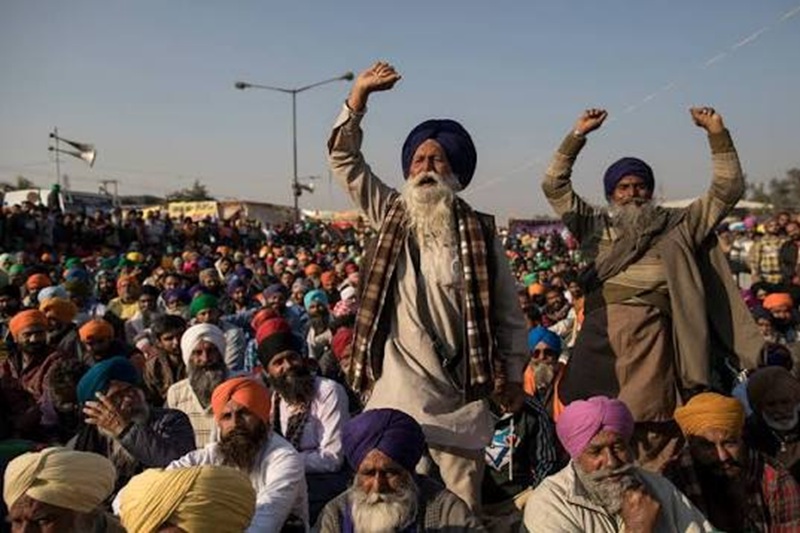
(C): X
Mumbai is going to experience a huge mobilization when trade unions launch a general strike on February 12, 2026. This industrial action is not just a routine protest but a direct response to the full implementation of the new Labour Codes, which unions argue dismantle the protective shield of India’s workforce. The strike is supported with the help of the largest unions such as CITU and AITUC, and they strive to emphasize the loss of the collective bargaining force. Employees in all industries, including the banking industry and the transport sector, are forming alliances to call on the repealing of these codes because they worry that they are more focused on ease of doing business at the expense of addressing basic human rights and job security of the employee.
How New Labour Codes Restrict the Right to Strike
The central contention of the Mumbai general strike is the Industrial Relations Code, which significantly alters the legal landscape for strikes. Under the new rules, the right to strike is curtailed by mandating a 14-day notice period for all industrial establishments, not just public utilities. This actually renders legal flash strikes impossible and provides employers with plenty of time to strike back. This is, to the active trade union movement in Mumbai, an existential threat, which could criminalize impromptu opposition, undermine the only bargain that workers have against unjustified practices.
The Future of Collective Bargaining in Mumbai
The strike also spotlights the broader implications of the new Labour Codes on collective bargaining. The codes eliminate the protection of a large majority of MSME workforce in Mumbai by raising the bar to standing orders (rules of conduct) on any establishment that employs 300 workers (the existing 100 number raised by 300). Unions claim that it will enable hire and fire without any checks. The action of February 12 is an important test of the strength of the union in this new regulation era which indicates that the battle against fair labor standards has not ended yet.