Shamini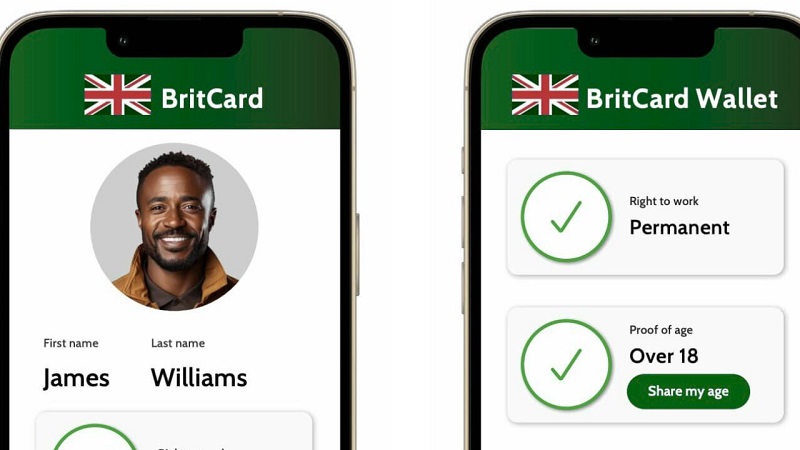
(C): Twitter
Downing Street is looking at a possible overhaul of the UK’s way of framing migration and identity verification, as a part of a new proposal by Labour Together – the ‘BritCard’, an universal mandatory digital ID for all British adults.
The BritCard, a proposed credential used on smartphones, would be linked to the gov.uk Wallet app enabling individuals to simply prove their right to live, work and rent property and access public services. Employers, landlords, banks and immigration officials would use a free verifier app to verify status instantly.
The policy in question, laid out in a paper from Labour Together, a think tank supported by senior Labour figures like No 10 chief of staff Morgan McSweeney is under consideration by Downing Street. The report claims the ID system would:
- Avoid another Windrush-style scandal by providing everyone a secure way to show their legal status.
- Help to reduce illegal migration and overruns, especially given that roughly half of failed asylum seekers, at least since 2010, remain in the UK.
- Help to reduce the exploitation in the underground economy by rogue landlords and employers.
- Help to reduce discrimination and complexity when doing right-to-work/right-to-rent checks.
Read Also: Labour Pledges GBP 450M to Cut A&E Waiting Times and End ‘Corridor Care’ in NHS
The paper, which is supported by ‘red wall’ MPs Jake Richards and Adam Jogee, estimates a capital cost of GBP 140 – GBP 400 million and an annual maintenance cost of GBP 10 million.
While cybersecurity and data privacy issues are still troubling, polling indicates over 70% support for the initiative across parties.
As the previous ID programme plans made by former Prime Minister Tony Blair have been halted, BritCard restarts the discussion but aims for a more progressive, technological solution to complex migration issues whilst also protecting the rights of legal residents.