abi sri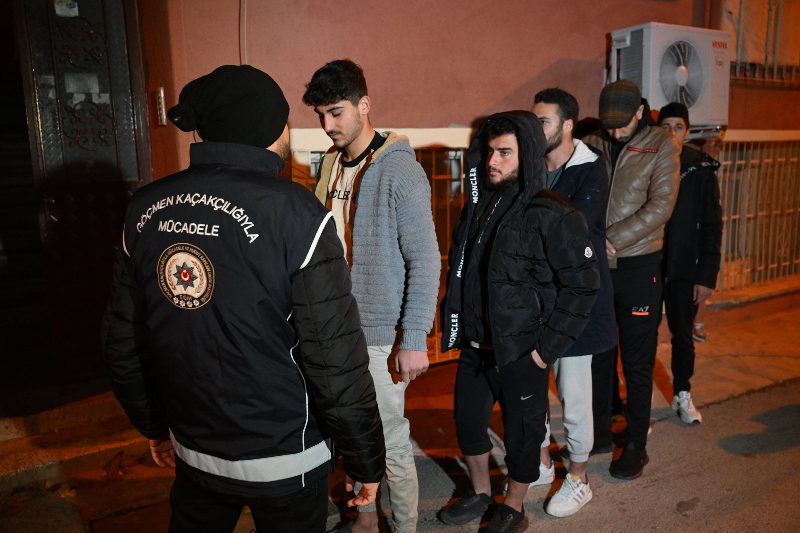
iraq’s crackdown on illegal foreign labor efforts to curb unlawful influx
As authorities in Iraq, a nation more famous for its own migration crack down on unauthorized migrants. Hundreds of thousands of foreigners are working in Iraq without permission and after decades of conflict, the country has become an unexpected destination for many people looking for work.
Rami, a Syrian employee, works for 16 hours at a restaurant out of fear of being arrested. “I’ve been able to avoid the security forces and checkpoints,” said the 27 year old who has lived in Iraq for seven years and asked the AFP news agency to use a fake name to protect his identity.
He works at a shawarma shop in the holy city of Karbala where millions of visitors frequently come each year from 10 a.m. until 2 a.m. He said, “My greatest fear is to be expelled back to Syria where I’d have to do military service.”
According to the Labor Ministry which also cites 40,000 registered immigrant workers, the majority of the influx comes from Bangladesh, Pakistan and Syria. As the nation looks to diversify from the hydrocarbons industry which now dominates it, the government is now attempting to control the amount of foreign workers. In Iraq many people including Rami are employed in the service sector.
Keep Reading


During inspections, a restaurant owner in Baghdad acknowledged that he must play cat and mouse with the government telling some staff members to avoid being seen. He claimed that due to the high costs associated with registration not all of his employees are listed.
In the beginning, some of the undocumented laborers in Iraq were pilgrims. Labor Minister Ahmed Assadi stated in July that his agency looked into reports that “50,000 Pakistani visitors” remained “to work illegally.”
The authorities started a program at the end of November for “Syrian, Bangladeshi and Pakistani workers” to regularize their employment by applying online by Dec. 25. This was done in spite of warnings of expulsion because of the severity of the problem.
According to the ministry, anyone who hires or brings in undocumented foreign labor faces legal repercussions. Despite his desire to obtain legal job status, Rami has chosen to be cautious.
Rami said, “But I’m scared. I’ll follow my friends’ lead after I see what they do.”
The government now wants to reduce the 50 percent foreign employment cap that is already in place in Iraq to 30 percent.
Human Rights Watch condemned a campaign of arbitrary detentions and expulsions of Syrians including individuals who had the required documentation in the summer. Homes and workplaces were the targets of raids.