Divyanshu G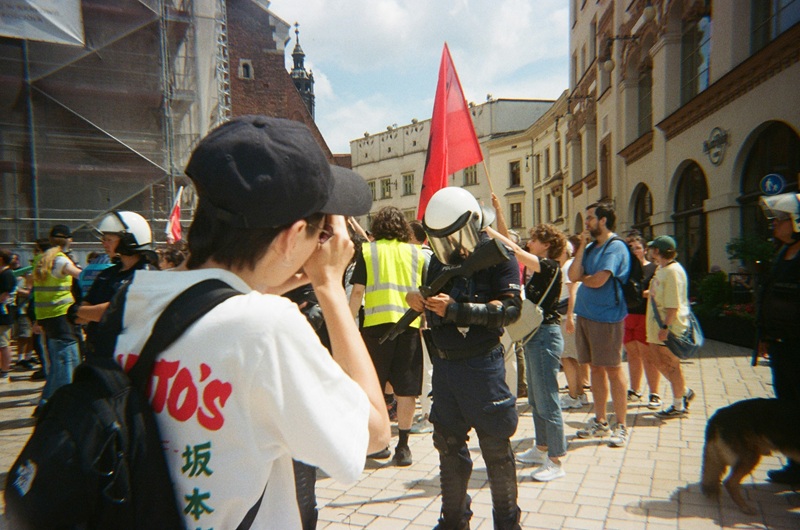
(C): Unsplash
A general strike is a very effective means of making a change demand, yet in the digital era, physical presence has a digital footprint. Before, during, and after the event, it is important to take proactive actions in order to guarantee your safety and anonymity.
Mastering Protest Cybersecurity
The biggest point of surveillance is your smartphone. To maintain protest cybersecurity, start by minimizing the data you carry. Backup your phone and delete unused files, photos, and personal contacts.
Implementing Data Encryption
Your initial defense is full-disk encryption. Make sure your phone is encrypted (this is the default with most modern phones) and has a hard to crack 6-digit PIN or alpha numeric passphrase. Do not use easy patterns or short PINs which are easily guessed or noticed.
Utilizing Secure Messaging Apps
The unencrypted calls and standard SMS can be easily intercepted. Switch to secure messaging apps like Signal or Wire, which offer end-to-end encryption.
Managing Biometric Data Risks
Turn off Face ID and fingerprint unlocking before you come. In most jurisdictions, law enforcement can legally force you to decrypt a biometric-secured device, but in most jurisdictions a passcode is better protected by law. This is a basic measure that will avoid unauthorized access to personal information.
FAQs
1. Should I bring my primary phone to a protest?
Ideally, no. Bringing a burner phone with a SIM card that has some data on it would be preferable, but with only a handful of apps installed so that if the phone is stolen or seized there is not much to lose.
2. What is the best app for communicating during a strike?
Signal is highly suggested because it has a robust end-to-end encryption system, it is open-source, and offers a disappearing messages option, which automatically removes chats a few minutes after receiving them.
3. How can I protect my location data?
Switch on the Airplane Mode to ensure that your phone does not ping cell towers to avoid tracking your location. Moreover, go into your settings and turn off GPS/Location Services and Wi-Fi and Bluetooth scanning.
4. Is it safe to post photos of the strike online?
Be cautious. When you post photos, blur faces of other protestors and delete metadata (EXIF data) so as not to compromise their privacy and identity.